
We accompany you as a specialised company
Exhaust systems - new construction & renovation
We are your partner
Refurbishment and professional flue system construction for the following chimney systems:
- Pellet stoves
- Wood and wood chip fireplaces
- Oil and gas fireplaces
- Stove and fireplace fireplaces
For heating companies, architects and private individuals.
Exhaust systems: safe discharge of exhaust gases
Material & fire protection requirements
New construction of an exhaust system
In addition to fire protection, we attach particular importance to minimising noise and increasing energy efficiency. With modern sound insulation systems and insulating materials, we achieve quiet and efficient operation of your fireplace system. Energy calculations are also part of our service.
Precise planning for optimum function
Refurbishment
PP refurbishment:
We insert a new plastic pipe into the existing flue gas duct. This process is cost-effective and particularly suitable for systems with low flue gas temperatures of up to around 160°C (often for condensing boilers or oil/gas heating systems). It improves the tightness and corrosion resistance of the existing system.
LAS system (air/exhaust system):
A concentric system that discharges flue gas and supplies combustion air at the same time. Ideal for gas and oil condensing boilers, as it enables operation independent of the ambient air and offers maximum efficiency.
Brands and suppliers
- Almeva AG
- Agentrade
- Torbel Industrie AG

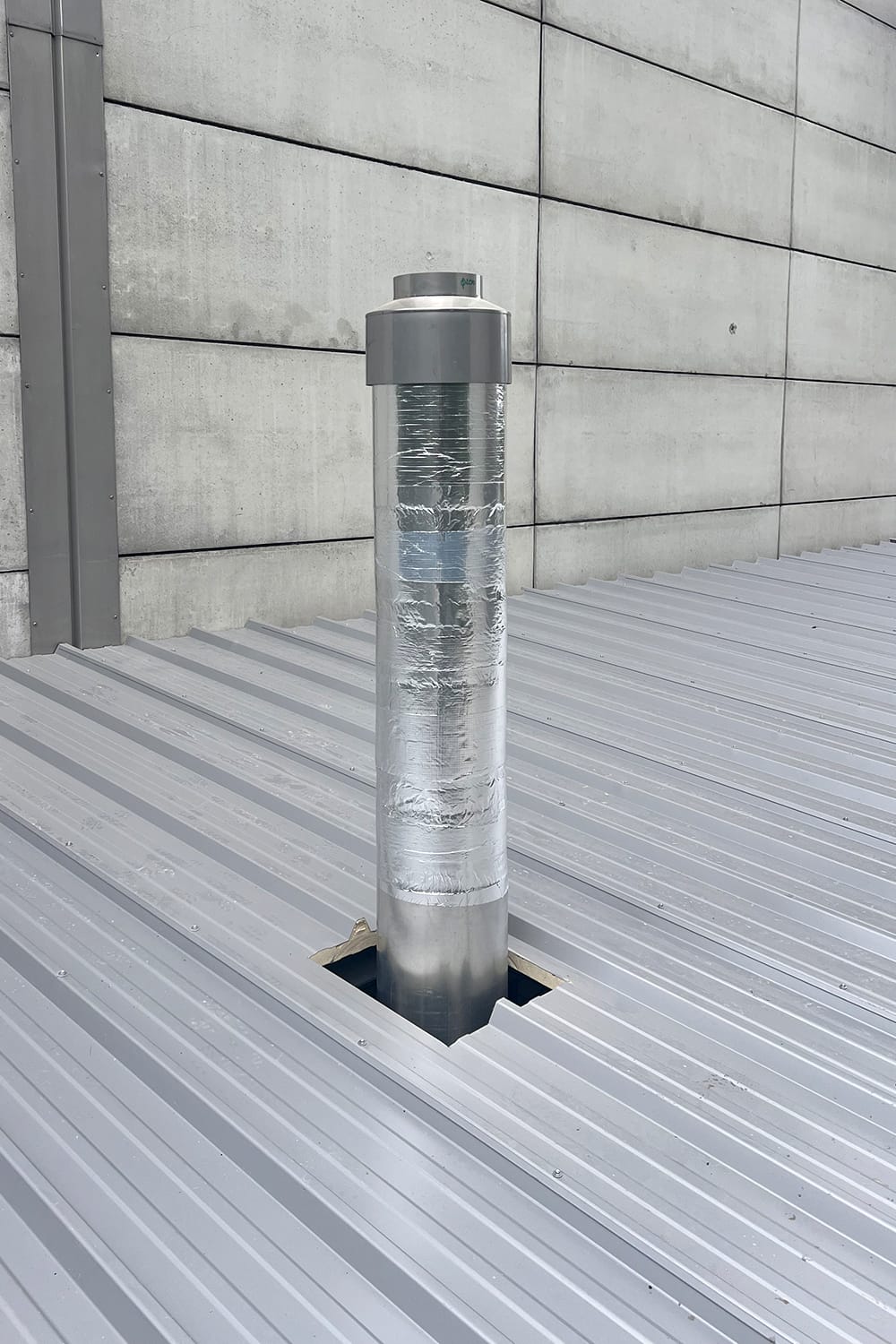
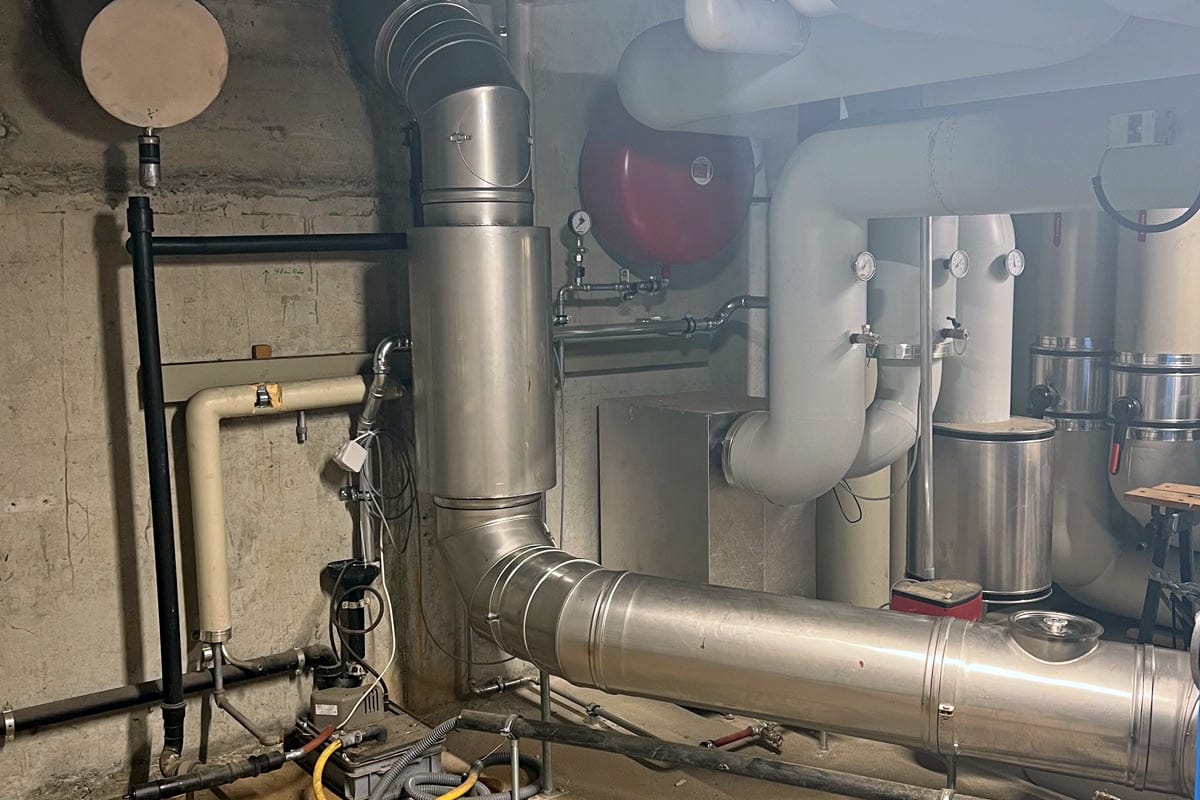
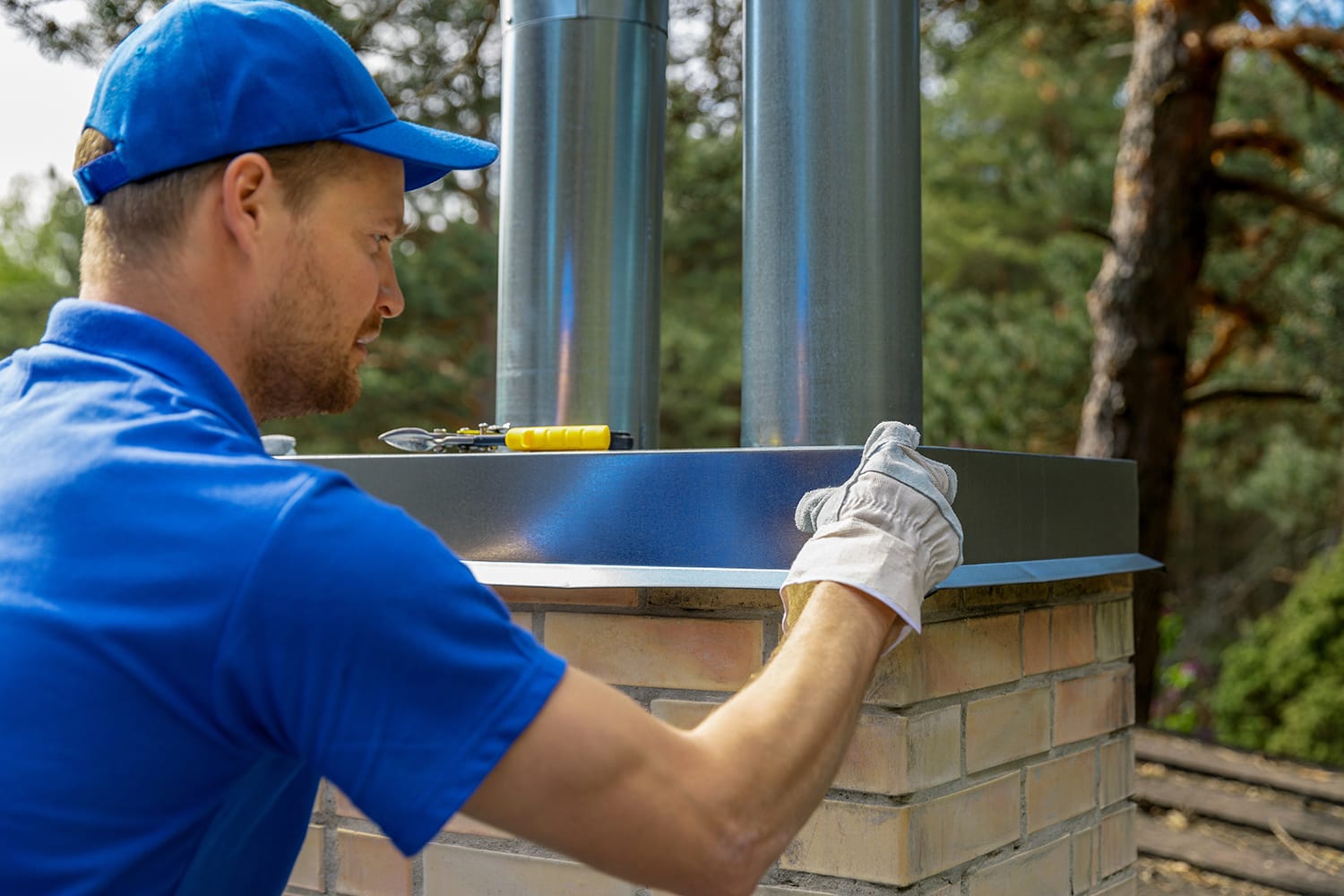
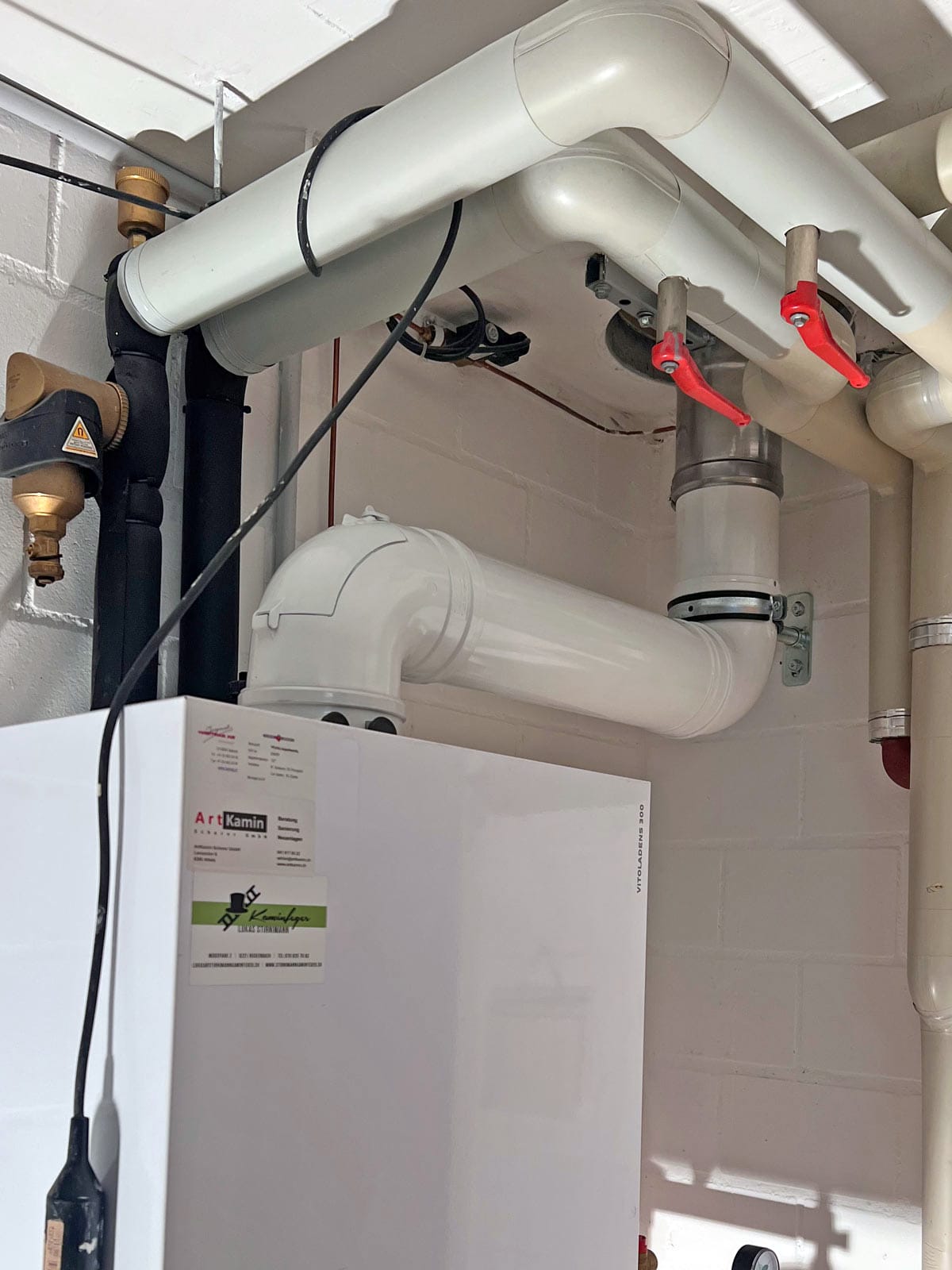
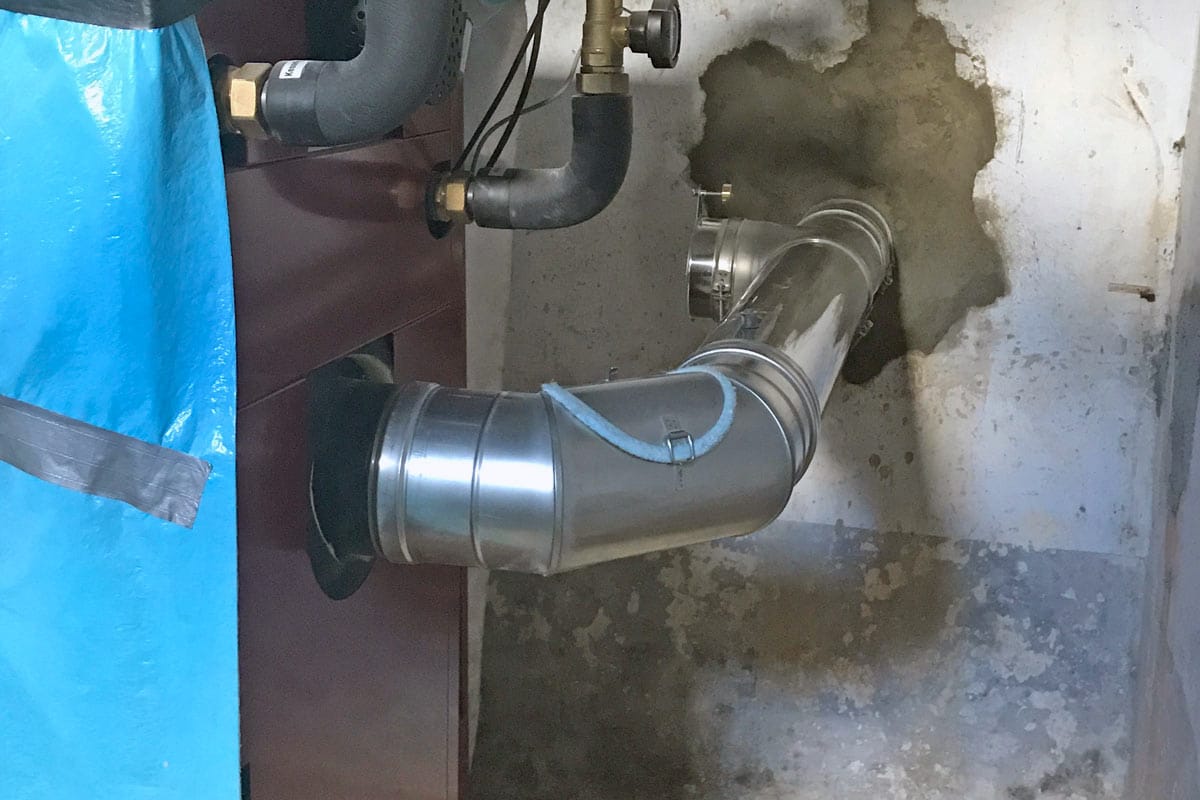
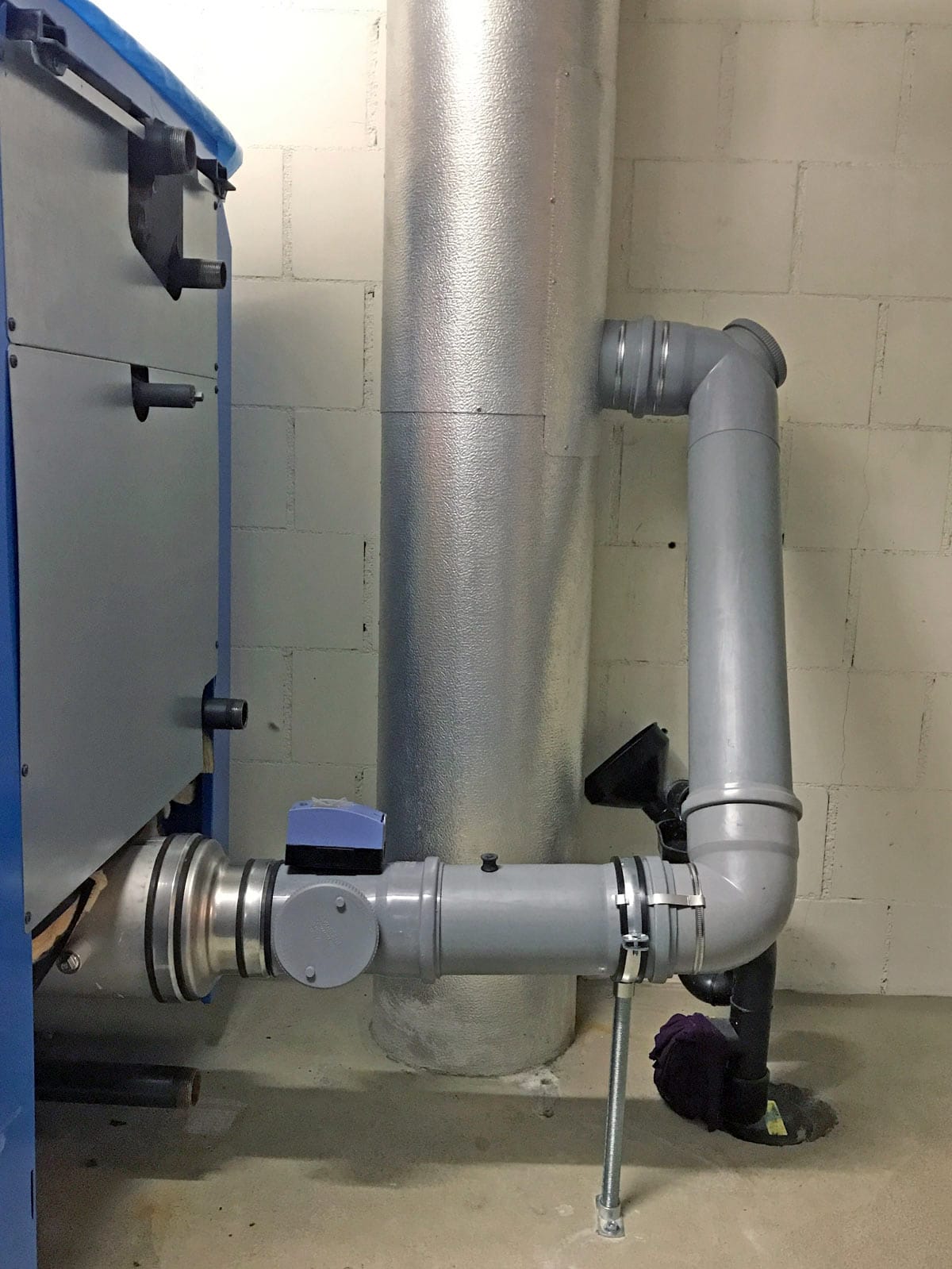
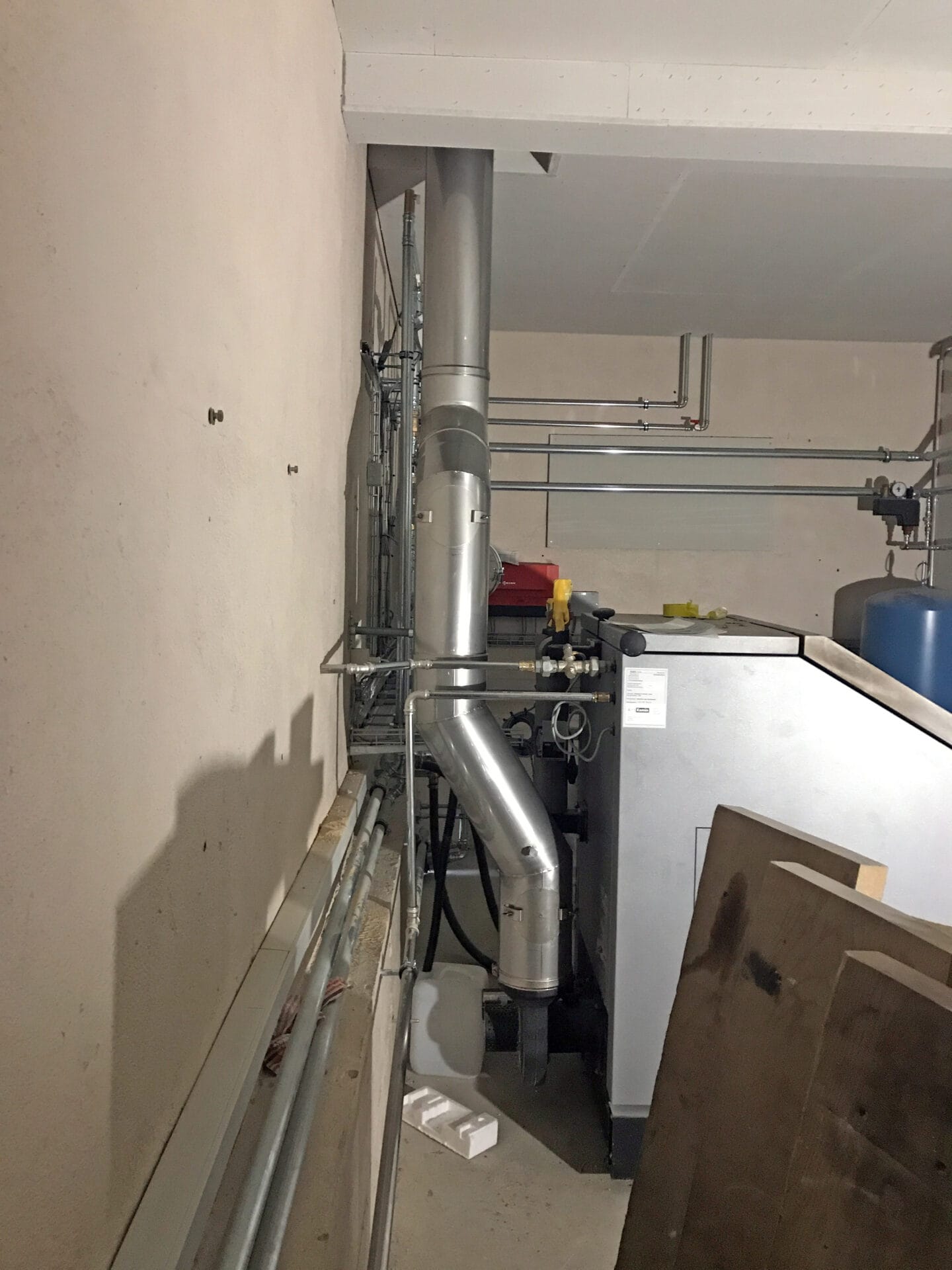
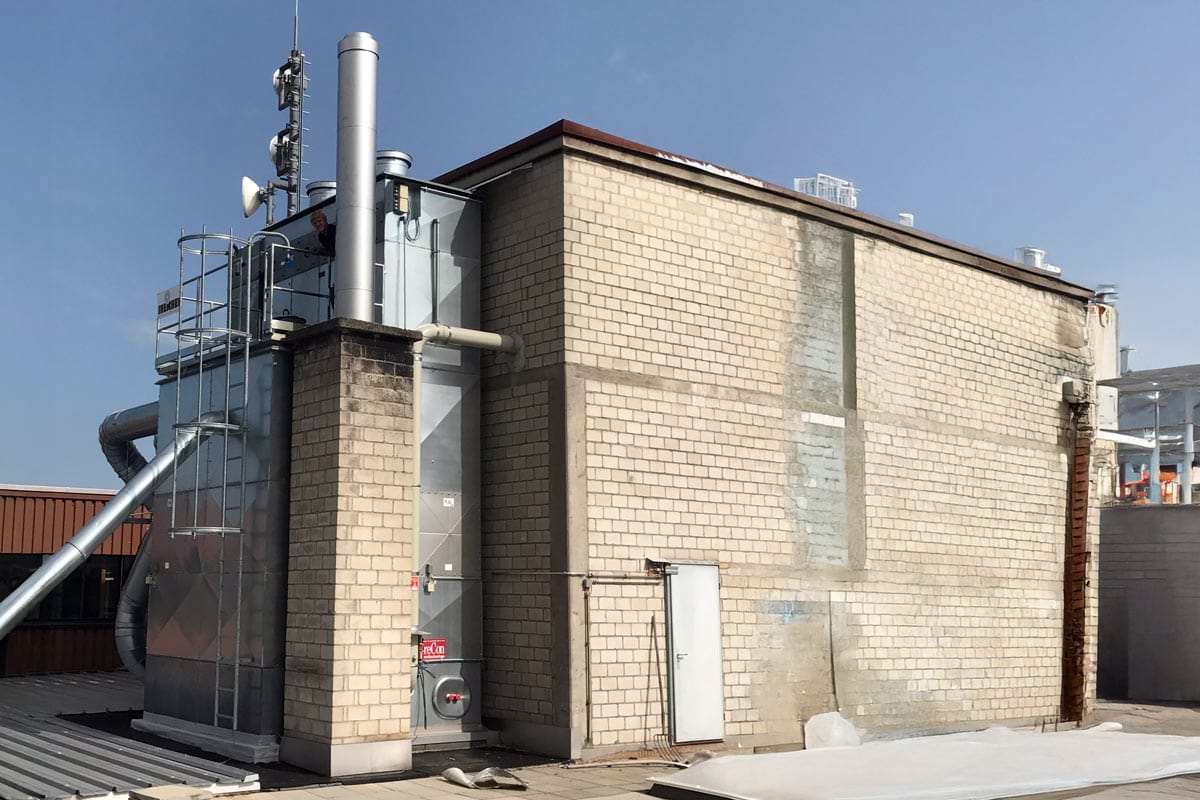
We combine chimney and flue system construction with exclusive design. From planning to installation, we offer you the best quality craftsmanship.
Customised & professional
Authorisations and legal standards
Strict regulations apply to flue gas systems in Switzerland. Approval by the Association of Cantonal Fire Insurers (VKF) is mandatory. Furthermore, national fire protection guidelines and standards such as the VKF Guideline 5 (fire protection for combustion plants).
These regulations govern, among other things:
- Minimum distances to combustible materials
- Fire protection bulkheads
- Durability and fire resistance of the materials used
- Permitted types of wall and roof penetrations
Customised & professional
Authorisations and legal standards
Strict regulations apply to flue gas systems in Switzerland. Approval by the Association of Cantonal Fire Insurers (VKF) is mandatory. Furthermore, national fire protection guidelines and standards such as the VKF Guideline 5 (fire protection for combustion plants).
These regulations govern, among other things:
- Minimum distances to combustible materials
- Fire protection bulkheads
- Durability and fire resistance of the materials used
- Permitted types of wall and roof penetrations
Materials & substances
Stainless steel
High-quality stainless steel, usually in CrNi design, offers excellent resistance to heat and corrosion. Ideal for high flue gas temperatures, for example in log firing systems. These materials are approved for new builds and renovations in Lucerne and Zug and fulfil the requirements of the VKF.
Plastic (polypropylene, PP)
Durability
Security
Consistency
LAS and PP refurbishment
The differences between the systems
The difference between LAS and PP refurbishment lies in the system structure and the air routing. The LAS system has a double-walled design. The combustion air is drawn in via the outer annular gap, while the inner pipe discharges the flue gases. It is independent of room air and is often used with oil and gas firing systems.